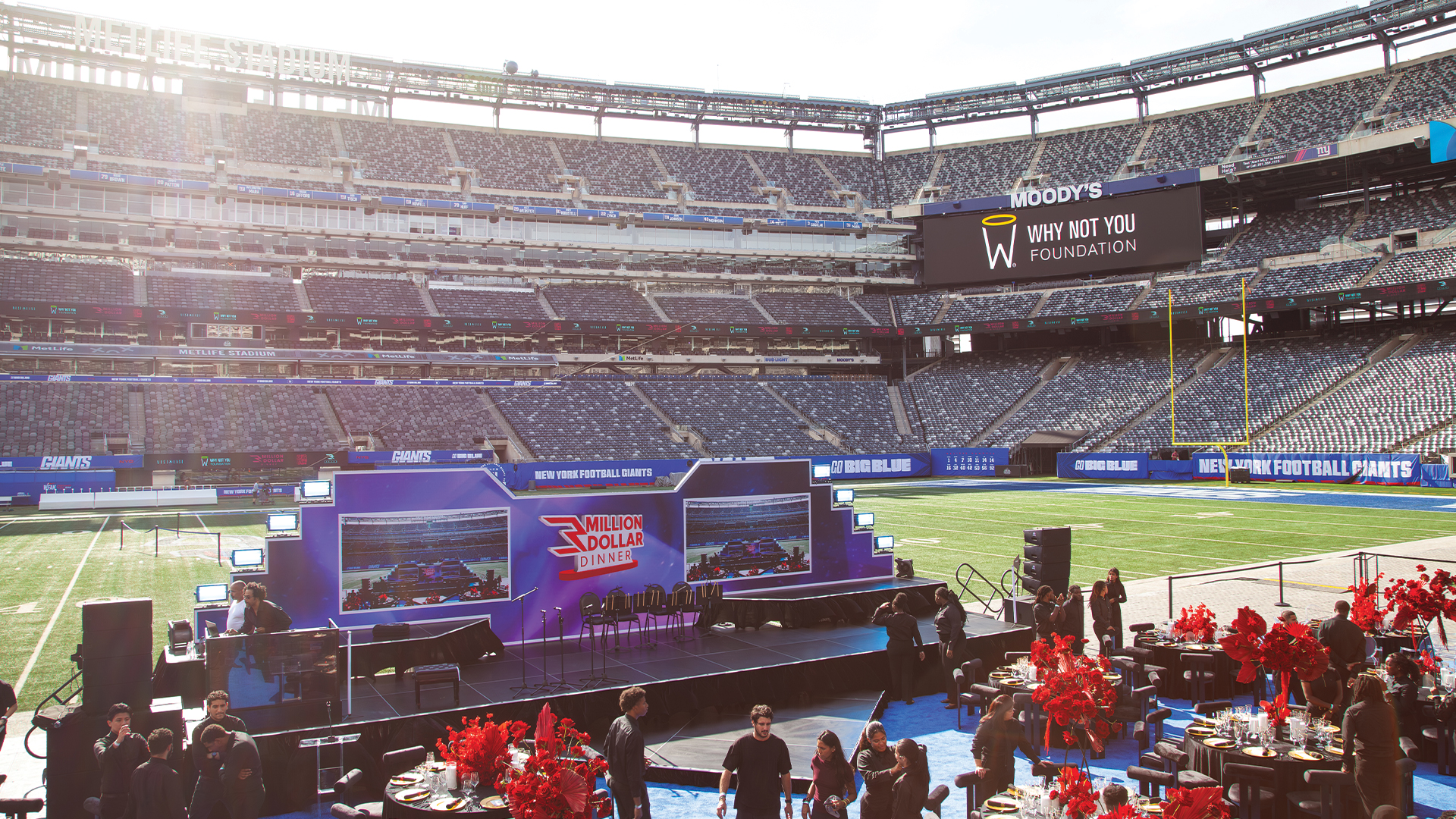
Running LED displays outdoors in daylight is a problem of physics that no amount of clever programming can overcome without first addressing the fundamental reality: ambient sunlight at full midday intensity delivers approximately 100,000 lux to any surface it strikes. The brightest commercial outdoor LED panels available today produce peak outputs of 8,000–12,000 nits — a specification that sounds impressive in a product brochure and performs adequately in overcast conditions but struggles to maintain visual contrast against direct sunlight at high solar angles. Understanding where the physical limits are, and how to work intelligently within them, is the difference between an outdoor LED deployment that achieves its design intent and one that produces a washed-out, low-contrast image that disappoints both the live audience and the broadcast camera capturing it.
Nits vs. Lux: Understanding the Measurement Relationship
The nit (candela per square meter) measures the luminance of an emissive surface — how much light an LED panel is producing from its face. Lux measures the illuminance arriving at a surface from external sources. For an outdoor LED screen to be legible in direct sunlight, its surface luminance must exceed the ambient reflected luminance of its surrounding environment — the brightness of sky, ground, and surrounding structures as seen from the viewer’s eye position. The practical threshold for comfortable readability in direct sunlight is a contrast ratio of at least 3:1 — meaning the LED screen must be at minimum three times brighter than its ambient background. On an overcast day with ambient at 20,000 lux, a 5,000-nit screen achieves this easily. In full Arizona summer sun at 100,000 lux ambient, even a 12,000-nit panel is operating at the margins of acceptable contrast.
Panel Selection for Outdoor Brightness
Not all LED panels described as ‘outdoor’ are designed for the brightness levels required for direct sunlight visibility. Entry-level outdoor panels rated at 3,000–4,000 nits are appropriate for covered or semi-covered environments but will appear dull in direct sun. Premium outdoor panels from ROE Visual — specifically the ROE Black Onyx range at 7,000 nits — combined with panels from Unilumin UpixPRO, Absen Polaris, and Daktronics at comparable specifications, are the realistic options for full-sun outdoor deployment. The specification to verify is peak brightness in direct sunlight conditions — which accounts for thermal derating, where LED output drops as panel temperature rises under solar load — rather than the theoretical peak brightness measured in a temperature-controlled laboratory environment.
Solar Angle and Content Scheduling
The most underutilized tool in outdoor LED optimization is the event schedule itself. Solar angle — the position of the sun relative to the screen face — is predictable and can be used to plan content and show design decisions that maximize visibility. When the sun is directly behind the viewing audience (shining onto the screen face), contrast is at its worst. When the sun is behind or to the side of the screen, direct illumination of the screen surface is reduced and contrast improves dramatically. Using solar position calculators — apps like Photopills, Sun Surveyor, and The Photographer’s Ephemeris — allows the production designer to identify the precise times during the event day when specific screen orientations will be challenged by direct solar illumination, and to schedule high-visibility content (sponsor logos, text announcements, safety communications) for periods when contrast is favorable.
Content Design Strategies for Daylight
Content designed for indoor or studio LED environments typically fails in outdoor daylight for predictable reasons: dark backgrounds that rely on the screen’s black level for contrast disappear against a bright sky; subtle colour gradations that read beautifully on a calibrated indoor wall compress to imperceptible differences in high-ambient conditions; and fine typography at small sizes becomes completely illegible when ambient reflections reduce effective contrast. Daylight-optimized content uses: maximum-saturation, high-luminance colours rather than subtle pastels; white or light-coloured backgrounds that compete favorably with ambient light levels; bold, high-contrast typography with generous character sizes; and high frame rate motion (60fps minimum) that remains sharp despite the visual noise of a high-ambient environment. Content teams should review all material on a calibrated outdoor panel in a sunlit environment before approving it for live deployment.
Processor Configuration for Maximum Outdoor Output
The LED processor configuration directly affects the maximum brightness achievable in an outdoor deployment. Brompton Tessera processors offer a Highlight Mode function that temporarily overdrives pixel output beyond standard calibration limits to maximum physical brightness — sacrificing colour accuracy for maximum output in situations where visibility is the priority. NovaStar and Megapixel VR offer comparable peak output modes. These should be used selectively — running at maximum brightness continuously degrades LED lifespan — but for the specific hour when solar angle is worst, temporary brightness override can mean the difference between a usable display and an invisible one. Thermal management becomes critical at maximum output: ensure panel ventilation is unobstructed and ambient temperature at the panel rear is monitored, as thermal protection circuits will automatically reduce output if junction temperatures exceed safe limits.
