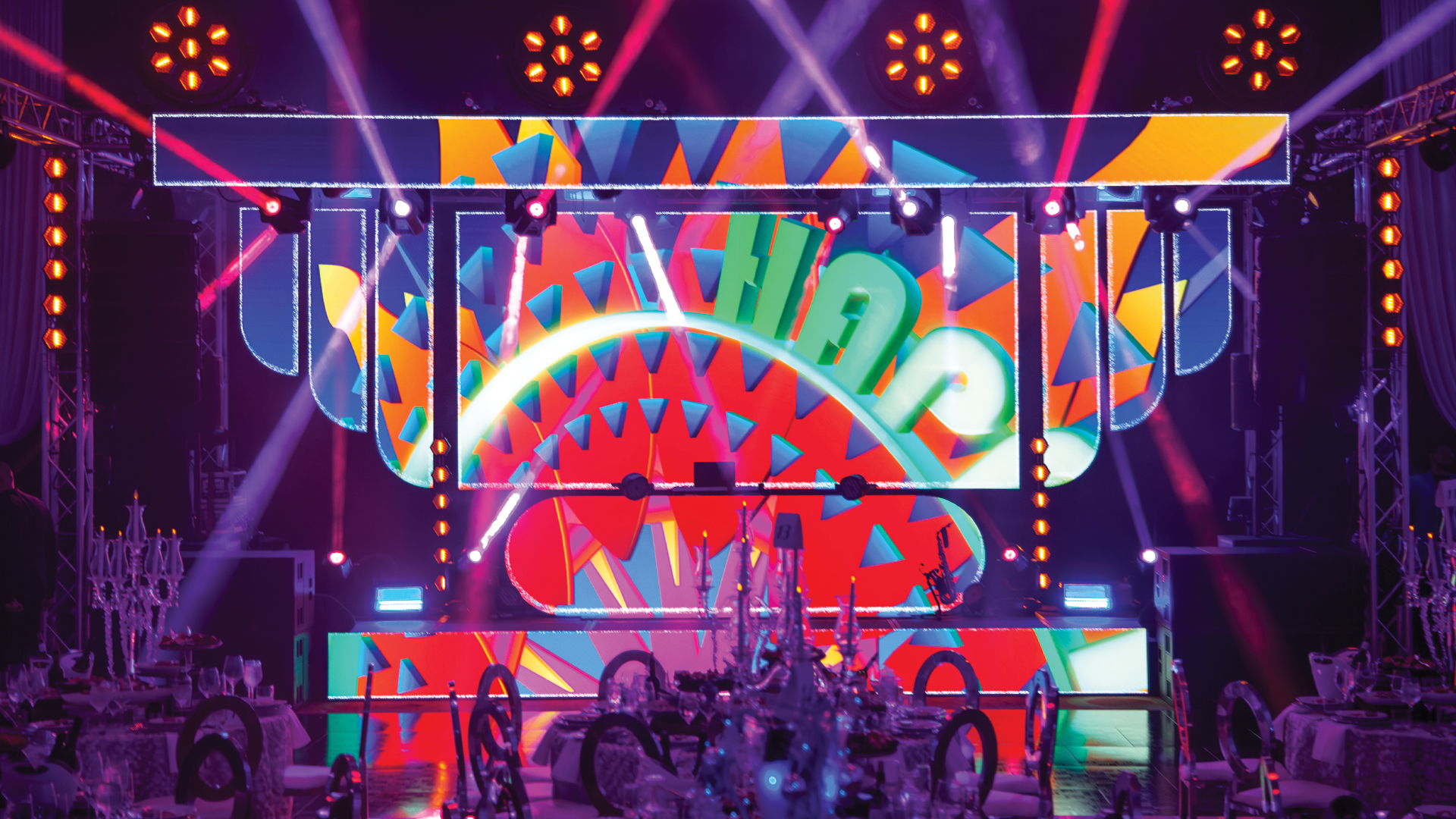
There exists a particular brand of exhausted camaraderie forged only in the crucible of live event production gone catastrophically sideways. Veterans of the AV industry recognize it instantly that thousand-yard stare of technicians who have witnessed equipment failures cascade like dominoes while executives demand miracles and deadlines compress to impossibility. These are the nights that transform colleagues into family and test every protocol, every backup plan, and every ounce of collective problem-solving capability.
The Setup That Seemed Reasonable
Every disaster begins with optimism. The production call sheet appeared manageable: a three-day corporate conference featuring keynotes, breakout sessions, and a gala dinner with live entertainment. The venue—a convention center ballroom—accommodated the specified Meyer Sound LEO linear array configuration without issue. The lighting plot called for 200 ETC Source Four fixtures supplemented by 48 Martin MAC Encore moving heads. Video requirements included dual 12K laser projectors and an LED video wall spanning 40 feet across the main stage.
The load-in schedule allocated 14 hours for installation—generous by industry standards. The crew of 35 technicians represented the company’s A-team, veterans who had executed hundreds of similar productions without incident. The production manager conducted the standard pre-show briefing, distributed radio channels, and confirmed backup equipment availability. Everything proceeded according to plan until approximately 11:47 PM on installation day, when reality abandoned the script entirely.
When Murphy’s Law Multiplies
The first indication of trouble materialized when the venue’s three-phase power distribution began shedding legs intermittently. The company switch—a 400-amp service feeding the entire production—showed voltage fluctuations that sent the Lex PowerStation distro units into protection mode. Meanwhile, the rigging crew discovered that the ballroom’s ceiling grid couldn’t support the specified truss configuration at documented load capacities. The structural engineer’s report from 2019 apparently predated extensive roof repairs that had altered load ratings significantly.
As electricians traced the power anomaly to a corroded neutral connection in the house panel, the video department reported that one of the Barco UDX-4K32 projectors had developed a cooling system failure. The replacement unit sat in a warehouse 200 miles away. The LED wall processors—two Brompton Tessera SX40 units—began displaying intermittent handshaking errors with the disguise media server, suggesting potential fiber corruption somewhere in the signal chain.
The Human Element Under Pressure
What distinguishes memorable productions from forgettable disasters lies entirely in crew response. The senior technical director established a triage protocol immediately: power took priority since nothing functions without electricity. The rigging team began recalculating loads for a modified configuration using additional ground support. Video technicians started systematic signal path testing while simultaneously sourcing a replacement projector from a competitor willing to help for mutual-aid credit.
The audio team adapted fastest, deploying their Yamaha RIVAGE PM7 console on battery backup while investigating whether the power issues would corrupt their DANTE network configuration. They established a redundant analog backup path using the board’s direct outputs—a technique dating to pre-digital workflows but invaluable when modern infrastructure fails. Meanwhile, the stage manager coordinated communication across departments using the Clear-Com FreeSpeak II wireless intercom system, ensuring everyone received real-time updates.
Historical Context: Industry Evolution Through Crisis
The modern live event industry emerged from precisely these crucible moments. When Bill Graham pioneered concert production at the Fillmore in 1965, equipment failures were constant companions—temperamental Altec A7 speaker systems and McIntosh amplifiers that overheated routinely. Technicians developed improvisational skills from necessity, creating the problem-solving culture that defines professional production today.
The transition to digital systems in the 1990s introduced new failure modes while eliminating others. Automated lighting—pioneered by Vari-Lite with their revolutionary VL1 in 1981—brought unprecedented creative possibilities alongside unprecedented complexity. Early DMX-512 protocols proved susceptible to interference, and entire lighting rigs could malfunction from a single corrupt data packet. The industry learned to build redundancy into every system, a lesson applied to tonight’s crisis.
The 3 AM Breakthrough
Resolution arrived through accumulated small victories. The venue’s maintenance crew located and repaired the corroded neutral connection by 1:30 AM. The rigging team completed their modified ground-support configuration using Thomas Super Truss towers that redistributed loads away from the compromised ceiling points. A replacement projector arrived at 2:45 AM, driven through the night by a technician from the rental company who refused overtime pay in exchange for future considerations.
The LED wall issue proved most stubborn, eventually traced to a damaged fiber-optic jumper that had been stressed during installation. Replacement with a fresh tactical fiber cable restored stable communication between the media server and processors. By 4:15 AM, every system achieved operational status. The crew had exactly three hours before the first attendees arrived—time for abbreviated sleep, industrial quantities of coffee, and a final systems check.
Lessons Forged in Chaos
Productions that survive crisis share common characteristics. Redundancy isn’t luxury—it’s survival insurance. The backup audio snake that seemed excessive during load-in becomes essential when primary infrastructure fails. The spare moving light collecting dust in the case saves the show when a fixture’s power supply fails mid-performance. The emergency dimmer pack collecting dust in the truck justifies its transportation cost the one time it’s needed.
Communication protocols proved invaluable throughout the crisis. The production manager maintained a master status board tracking every open issue and assigned resource. Department heads provided updates at thirty-minute intervals, preventing duplicated efforts and ensuring resource allocation remained optimal. The crew radio discipline—keeping channels clear for essential communication while using face-to-face conversation for detailed problem-solving—prevented information overload during high-stress periods.
The Show That Nobody Knew Almost Didn’t Happen
The corporate conference proceeded flawlessly. Keynote presentations displayed crisply on the replacement projector. The audio reinforcement system delivered pristine speech intelligibility throughout the 3,000-seat space. Lighting cues executed precisely, the ETC Eos Ti console faithfully reproducing every programmed look. The LED wall displayed branded content without a single visible artifact.
Attendees experienced a polished production, unaware of the preceding night’s chaos. This anonymity represents the industry’s highest professional achievement—technical excellence so seamless that audiences never consider its existence. The client’s feedback focused on content and catering, oblivious to the technical infrastructure that made their event possible.
The crew gathered briefly during strike, sharing that particular exhausted camaraderie unique to survived disasters. Someone produced a bottle of decent whiskey. The technical director raised a toast: ‘To the nights that remind us why we carry spares.’ The sentiment captured something essential about live production—it’s not the smooth shows that define careers, but the disasters transformed into triumphs through collective expertise, determination, and the occasional 200-mile overnight projector delivery.
These stories circulate through the AV community, growing slightly with each retelling while preserving essential truths. They remind newer technicians that current challenges exist within a continuum of survived crises. They reassure veterans that their accumulated knowledge—the troubleshooting instincts, the backup protocols, the network of colleagues willing to help—represents genuine professional value. And they celebrate the fundamental truth of live production: when everything goes wrong, the right crew makes everything right.
