AV Production Industry Insights | Professional Technical Guide
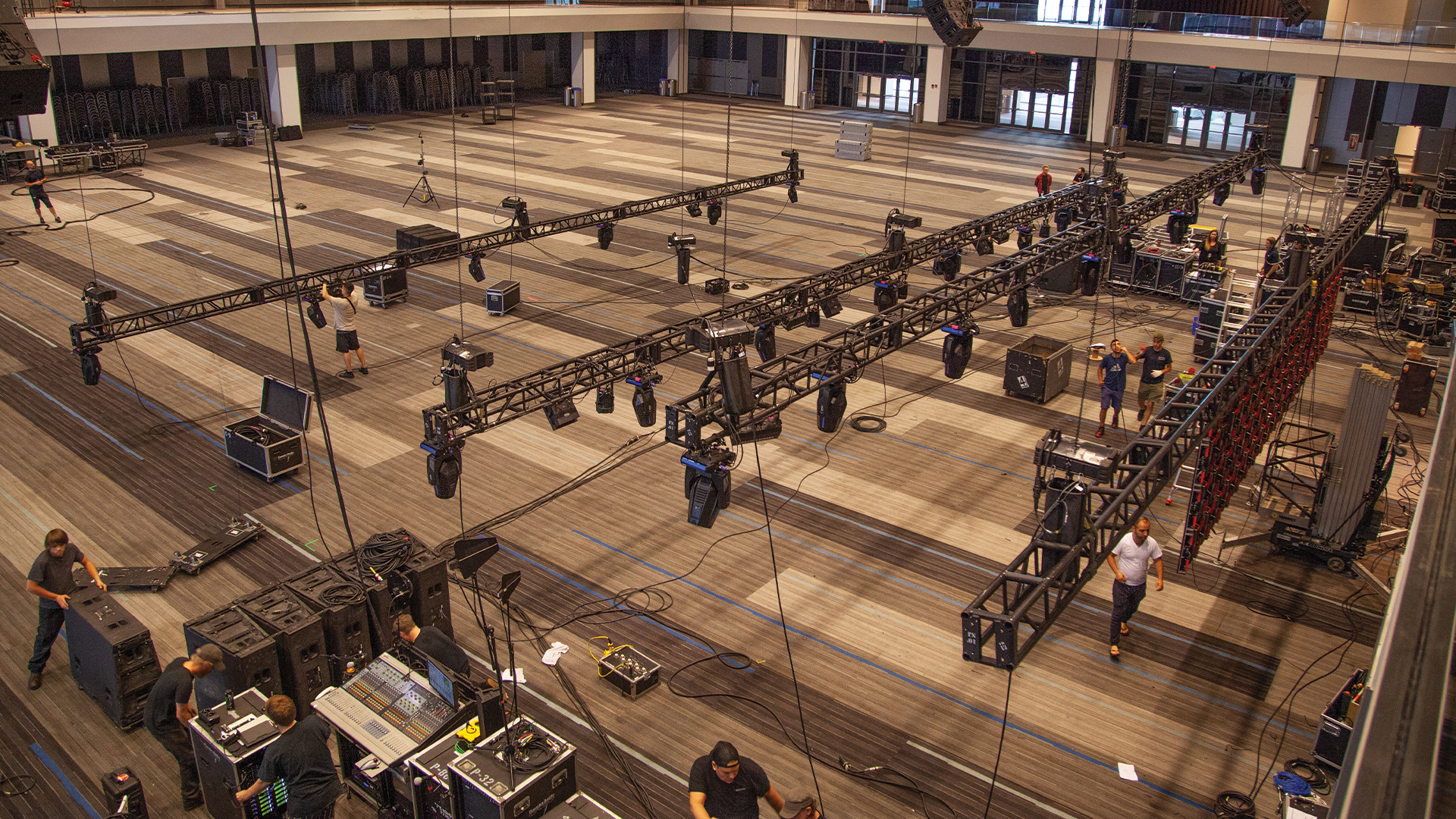
At 6:47 AM in Hamburg, your production manager realizes that the local crew chief doesn’t speak English, the rigging points are thirty feet from where the advance documentation showed them, and the venue’s electrical service is mysteriously half what was contracted. Welcome to international touring, where your carefully crafted production book becomes a starting point for negotiation rather than a definitive guide. The difference between catastrophe and mere chaos lies entirely in how you’ve prepared to work with people you’ve never met.
The Art of the Advance
The advance process—gathering technical information about venues before arrival—has evolved from exchanging faxes to sophisticated digital workflows, yet the fundamental challenges remain. Venues frequently provide outdated or optimistic technical specifications. Local crew agencies quote labor based on assumptions that may not match your production’s actual requirements. The only remedy is relentless verification through multiple communication channels.
Production managers working with software like Master Tour or Shoflo create comprehensive advance packages that include not just technical riders, but visual guides showing exactly how each element should be positioned. Photographs and videos of the production at previous venues give local crews context that written specifications cannot convey. A local rigger who can watch video of your Kinesys automation system in action arrives prepared in ways that pages of documentation never achieve.
Language Barriers and Cultural Translation
The technical vocabulary of live production doesn’t translate directly between languages. What Americans call a “truss” might be described differently in German, French, or Japanese—and local interpretations of rigging safety standards vary dramatically by region. Smart touring productions create multilingual technical glossaries that include photographs of specific equipment, ensuring that when you request Prolyte H30V truss, everyone visualizes the same hardware.
Cultural expectations around work pace, break schedules, and communication hierarchy require sensitivity that technical competence alone cannot provide. German crews expect precise schedules honored to the minute. Italian crews build flexibility into their workflow that Americans might misinterpret as inefficiency. Japanese crews require explicit instruction and confirmation at each phase, while Australian crews often demonstrate autonomous problem-solving that can surprise unprepared production managers.
The Crew Chief Relationship
Local crew chiefs become your most important allies—or your most persistent obstacles. Taking time for a genuine conversation before the load-in begins pays dividends throughout the day. Learn names, acknowledge local expertise, and explain your production’s priorities clearly. A crew chief who understands why your Martin MAC Viper Profile fixtures must be focused to centimeter precision will motivate their team differently than one who sees only arbitrary demands.
The best touring production managers establish relationships with crew chiefs that persist across multiple visits. They remember which crew chief’s team excels at audio versus lighting, which venues have loading docks that require specific truck positioning, which local suppliers can source emergency replacement parts. This institutional knowledge, maintained through CRM tools like Salesforce or even well-organized spreadsheets, transforms chaotic one-night stands into efficient operations.
When Things Go Wrong at 3 AM
Equipment failures don’t wait for convenient moments, and fixing problems in foreign cities at unreasonable hours tests relationships built during calmer times. Having established emergency contacts with local rental houses—PRG, Neg Earth, or regional equivalents—before you need them makes crisis response possible. Trying to locate Ayrton Perseo replacement parts in Barcelona on a Sunday morning without preparation is an exercise in futility.
Payment disputes have destroyed more touring relationships than technical failures. Clear contracts specifying rates, overtime calculations, and meal penalties—documented in writing and acknowledged before work begins—prevent the angry confrontations that poison future visits. The production that haggles over legitimate charges becomes known throughout the local crew community, and that reputation follows you to every venue in the region.
Building the Network That Sustains Careers
Veterans of international touring understand that local crews often possess knowledge unavailable anywhere else. They know which transformers actually deliver rated power, where the floor has weak spots that affect speaker placement, which security staff will help versus hinder your load-in. Treating local crews as information sources rather than mere labor unlocks insights that improve your production at every subsequent venue.
The relationships you build during multi-stop tours become professional networks that define careers. Today’s local crew chief becomes tomorrow’s production manager, and the respect you demonstrated during a difficult load-in transforms into preferential treatment years later. In an industry built on reputation, your treatment of local crews becomes your calling card—visible to everyone who matters and remembered far longer than any individual production.
